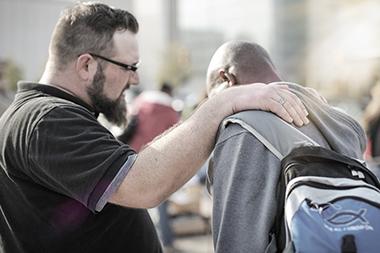
Coming to church for the first time can be intimidating. Here are four things that pastors, Sunday school teachers, and folks in the pews can do to help visitors feel at home. 1. Develop a greeting ministry with the visitor, not the greeter, in mind. I attended a growing church years ago that had such a greeting program. This was not simply shaking hands and handing out programs. Members were expected to seek out and speak to specific visitors for at least three consecutive weeks. When I began attending, someone came alongside me, escorted me to my children's Sunday school classrooms, and answered my questions about various Bible studies. It provided a sense of honest welcome and of immediate connectedness. 2. Choose hospitality over visitation. After my first visit to a church I received four phone calls, two emails, and three letters. Then the pastor invited himself to our house to "get to know us a little better and answer any questions we have about the church." But we weren't even unpacked from our recent move yet! I wanted to welcome him into my home, but I'll invite the pastor when I'm ready, the family is settled, and the curtains are up. I'd rather someone from the church invite me to their house, so I can get to know them a little better and so I don't feel on display. One Sunday at another church I visited, the pastor and his wife invited us to their house for dinner following the service. We ate hot dogs and potato chips, completely at ease in this open atmosphere, making it easy to ask questions about the church. It made a world of difference. 3. Recognize Sunday school as an initial contact point. Often a visitor's first experience with a new church is dropping a child off at Sunday school. Greeting new students and their parents warmly, with interest, is encouraging. Merely saying "hello," sipping coffee, and gushing over the church regular that walks in right then sends a different message. Adult Sunday school teachers also serve as important first contacts. Time is limited in Sunday school classes, of course, but a few private moments of attention beforehand will go far in helping visitors feel at home. 4. Become visitors for a day. Those who have belonged to the same church for several years may not remember what being a visitor is like. A simple exercise can resensitize you: visit a church where no one knows you. Go outside your community, outside the denomination. Go without knowing what to wear or what ministries are available. Pay attention to how you're received. Ask yourself how you'd feel if you were longing for a church home right then. Note what this church does well, and what it doesn't. Some churches intentionally do this once per year. Cancelling all services, they declare it a "visitation Sunday" for members to attend other churches. To maximize effectiveness, urge members to go where they are a stranger to everyone there, and to be prepared to return with a report of what they've learned. The discussion of those reports can lead to important insights about your church. Most churches want to be welcoming to outsiders. However, welcoming does not happen automatically. It involves intentionally setting aside natural habits to show genuine caring. It involves welcoming your visitors in the same way that Christ would: with open hearts. —Jennifer Smith-Morris; excerpted from our sister publication Leadership journal, © 2001 Christianity Today International. For more articles like this, visit www.LeadershipJournal.net. Discuss
Help people understand their changing community. In "Ministry to Prisoners and the Newly Released," you'll find articles and other handouts to help you launch or improve a prison ministry. Gateway Country 4 myths about reaching the unchurched - and 4 ways to draw them in. No Easy Victory A plea from a Christian husband and father who, day by day, resists his homosexual desires.
| ||||||||||||||||||||||||||||||||||||